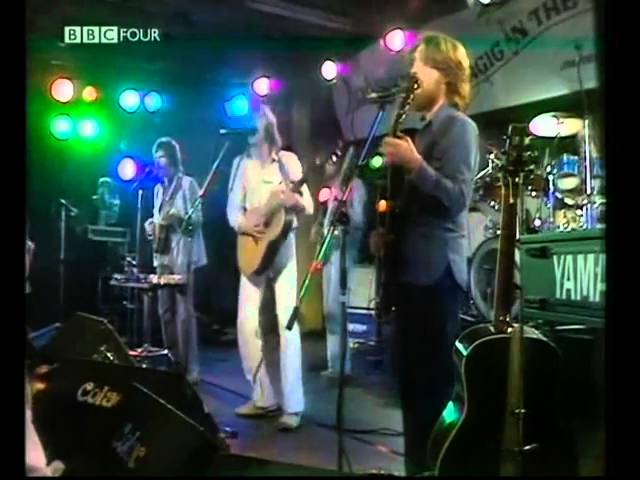
The Jam -Debut Tour, California Ballroom, Dunstable, 9th July, 1977

Revisiting-The-Jams-riotous-performance-of-In-The-City-from-1977

In action

This was my first ever punk gig. An avid reader of the music press it was quite clear that something was happening . I lived in provincial Bedford at the time, there were no venues putting on punk gigs. Being still at school posed a number of problems. Financially things were tight. Educationally my parents wouldn’t let me go on a school night, and physically getting to venues was a challenge. A Saturday job at Sainsbury, my friend Pete passing his driving test, and a Saturday night gig at nearby Dunstable solved all of these problems. The Jam, supported by Chelsea for £1.75 it was to be.

I went not as a Jam fan, they were pretty much unknown apart from the “In The City” single, but as an eager music fan, keen to experience sounds for my generation, not the hippy one. That single, with its B side the distinctly unpunk “Takin My Love” was the only Jam music I knew. The audience were not die- hard punks or mods, nor were they the travelling London/ Home Counties crowd. The stereotypical punk was not fully formed yet beyond London. We were there to experience what the media hype was all about, almost everyone aged 15- 19, most schoolkids.

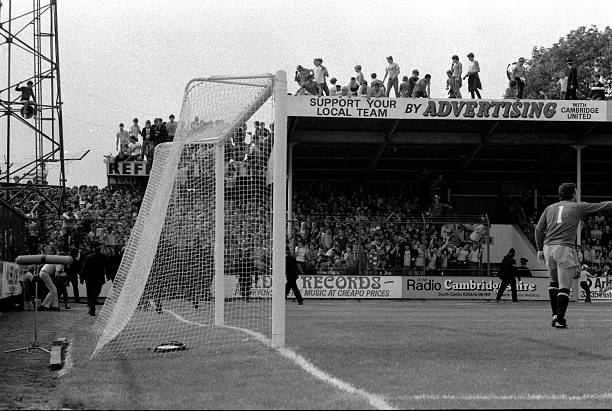
The California Ballroom itself was a legend in its own right. It survived on disco nights and soul bands, particularly, American ones. Martha Reeves and the Vandellas, and the Four Tops had played there earlier that year, the Commodores the year previous. Punk was still relatively new. This was only “The Cali’s” fourth ever punk gig, but the rollcall for the year so far was impressive, The Damned / Adverts, The Stranglers/ London, and most infamously the last night of the White Riot Tour featuring the Clash/ Subway Sect/ Slits/ Prefects, fortunately that had been five weeks earlier. Enough time had elapsed for the place to be repaired… Wayne County & The Electric Chairs were the only other punk band to play the Cali, two weeks after The Jam.

Support band Chelsea were surprisingly good. Despite the loss of Tony James ( Generation X, Sigue Sigue Sputnik and Sisters of Mercy) and William Broad, aka Billy Idol, James Stevenson on guitar and Gene October on vocals were a formidable, talented and credible combination. With their debut album still two years away their set was brief but sparky with atypical punk titles like “Decide”, “Government” and “Free the Fighters” augmented with a rather good cover of “Many Rivers to Cross” and a searing “Right to Work”, which vied with “In the city” as the best song of the night.

Several beers necessitated an interval visit to the Gents. I did what men do, stand at the urinal, and gaze aimlessly at the wall. When I became aware of a sharp dressed feller in a ( Burton?) suit at the next trough. A surreptitious sideways glance confirmed that it was indeed the same man who was on the cover of the single I had bought a few weeks previous. “Alright, Paul” I ventured with as much cool as I could muster with our cocks both ejecting cheap lager. “Yeah, man” came the muttered reply. So started and finished my only encounter with Paul Weller.

At first glance a fifteen strong set list seems pretty impressive for a band on their debut tour promoting their debut album. However, no song lasted for more than three minutes, most were closer to two. It was all over in 45 minutes – and they played “In the City” twice. Great song though…

From their first recorded gig at the Hope and Anchor London , barely a year before on May 8th,1976, they had played over fifty shows. Although they were light on repertoire, they were strong on live performance. The energy, volume, speed and attack were pure punk. The songs and performance less so. The Rnb and Mod attitude differed from the aggressive political punk of Chelsea. Weller was obviously more nuanced than October in both star quality and song choice. The Jam were different from the start. What was apparent was their instant connection with the fans and Weller’s defiant claim that ‘this is the new art school’. And so it proved to be. An exhilarating, sweat drenched, synchronised pogoing evening never to be forgotten.

1.I’ve Changed My Address
2.Time for Truth
3.All Around the World
4.London Girl
5.Sounds from the Street
6.So Sad About us
7.In the City
8. Slow Down
9. Takin My Love
10.Slow Down
11.Bricks and Mortar
12.In the City
Encore
13.In the City
14.Batman Theme
Encore
15.Art School

Leeds University, 19th November, 1977

I next saw them only four months later in front of 2000 fans at a sold out Leeds University Refectory.  Everything had changed. Punk was already morphing into New Wave, and The Jam were in pole position to capitalise on that with a growing live reputation, an established first album, a second album released the day before this gig,  slavish press coverage in the NME and MM, and radio coverage by John Peel.

At that time I was going to two or three punk gigs a week. The Jam had moved away from that sound and any association with the movement. Weller had the foresight, and talent, to deliver that change. Ironically the covers list anticipates the Style Council for anyone with 20/20 hindsight. They were slick, they were professional, and they were just an album away from commercial stardom with the third album All Mod Cons.

It was an in between moment. Frankly, they were not as good as many of their contemporaries at that time, but subsequently few of the same contemporaries could match their song output and commercial success for the following four years. I guess it’s a marathon, not a sprint.
Set List
I’ve Changed My Address
Carnaby Street
The Modern World
Time for Truth
So Sad About Us
London Girl
In the Street, Today
Standards
All Around the World
London Traffic
(Love Is Like a) Heat Wave
Sweet Soul Music
Bricks and Mortar
In the City
Back in My Arms Again
Slow Down
In the Midnight Hour
Sounds From the Street

Encore:
Takin’ My Love

Sixteen years on, Weller solo. No Jam numbers, some worthy material, the awful “You do something to  me” an unnecessary and pointless cover of  the great “Ohio”. Lacklustre, insipid and unevenly paced. Paul and I parted at this point. “Has My Fire Really Gone Out?” Yes.

Nov 28th, 1993

Paul Weller, Ipswich Regent

Amongst Butterflies

All the Pictures on the Wall

Bull-Rush

This Is No Time

Remember How We Started

Wild Wood

Fly on the Wall

Sunflower

Ohio

(Crosby, Stills, Nash & Young cover)

Can You Heal Us (Holy Man)

You Do Something to Me

Feelin’ Alright?

Foot of the Mountain

The Weaver

Shadow of the Sun

Into Tomorrow

Encore:

I Didn’t Mean to Hurt You

Has My Fire Really Gone Out?

Encore 2:

Above the Clouds

Bitterness Rising

Posted in Classic Gigs | Tagged , | Leave a comment

David Bowie – Earthling Tour,Que Club, Birmingham,1997

q club

I did not normally buy the Birmingham Evening Mail. But that day I needed to check the property pages , bought it at lunchtime, and sat down to read it with a sandwich. Tucked away, in a small box advert at the back, amidst hundreds of mundane adverts , the reverse block copy read ‘David Bowie, Que Club, Birmingham August 1st £15’. I rang the telephone number.
“Is this the real David Bowie and not a tribute?” I asked.

The Que club is in an Old Methodist Hall, magnificent Victorian building opposite the Law Courts in central Birmingham. It held 800 for the night. Walking up to it was a strange feeling. Obviously there were no crowds, but there were no promotional posters, no signs that anything out of the ordinary was going to happen. But it was.

q out 2

The Earthling Tour was an oddity. It came at around the commercial, and celebrity, nadir, of Bowie’s career. Brit Pop was in full swing, Blur, Massive Attack , Primal Scream, Pulp, Shed Seven and Daft Punk all played the venue, there was a lot going on. Bowie was definitely not where it was at. But his decision to play small venues was an artistic masterstroke. Die hard fans only were present which meant he could play what he wanted to. This was the real David Bowie at the time, not a commercial projection.

Bowie3

I had a standing ticket and opted for around 12 feet back from the stage, which had an extended platform at the front, in the middle. Close enough to see the man , far enough back to see the whole band on the small stage, and get the PA, rather than monitor, sound. It was a fabulous venue.

The band comprised ;Reeves Gabrels – guitar, backing vocals, Gail Ann Dorsey – bass guitar, vocals, keyboards, Zack Alford – drums, percussion, Mike Garson – keyboards, backing vocals.

q in

I can only describe the atmosphere as surreal. No-one could quite believe that they were there in a club venue watching a global superstar. At 8pm on the dot, David sauntered on stage alone, white shirt, acoustic guitar in hand to open with “Quicksand”. It could have been in your front room. The Victorians, and Methodists, knew a thing or two about acoustics. A century on those skills reaped dividends. Never have I heard him sounding better, every stroke of the strings crystal clear.

bowie guitar

It was no vintage crowd -pleasing set. Earthling predominated, Gabrels dictated a Euro drum and bass sound as per the album which he co-produced. Those tracks were tremendous. Perversely, what fascinated was the other material which he chose to include.

Bowie-clear 3

“The Man Who Sold the World” featured Dorsey’s bass and backing vocals, stripped back, bare and haunting. Bowie teasingly introduced the following track as being inspired by a John Lee Hooker blues riff which he played himself, slowly morphing into “Jean Genie”. Magic.


“Fashion” seemed perfectly at home with its bass rhythm, and sharper than ever before Savage, not celebratory. “Fame”, twenty years on assumed a weight not immediately apparent upon its release. In 1975, as a teenager, I was not overly concerned with the angst that drugs, hookers, and loads of money apparently caused rock stars. Twenty- three years on the song had been transformed into a melancholic reflection on his career, and the raft of popular celebrities who met a premature demise. Just four weeks later Lady Diana died.

 
“Fame, (fame) what you like is in the limo
Fame, (fame) what you get is no tomorrow”


“Stay” has long been a favourite of mine. Reeves Gabrels on lead guitar did not let me down. To hear it stretched out, and funked out, in a club setting was as close to heaven as it is possible to get this side of the grass. Gail Ann Dorsey is no hired hand. Not only did she have a featured role in “The Man Who Sold The World” earlier, she also duetted with David on “Under Pressure” and sang an encore number, “ Oh Superman”, solo. My only disappointment was that the imperious Mike Garson spent his time on keyboards hammering out block chord accompaniment, with no opportunity for his piano dexterity available in the set whose highlight was “Halo Spaceboy”, a terrific epilogue to “Space oddity” and “Ashes to Ashes” ( not performed on the night) delivered as a sonic barrage which could have sunk an alien spaceship fleet.


The ‘encore”, a mini set in its own right, was over half an hour long. “White Light/ White Heat” has featured in his set, on and off, for thirty years. Seeing him perform it for fun, just because he could was a rare treat. Inevitably it varied in pace and mood but climaxed in a rousing, thrilling, “Look Back in Anger”. And he was gone.
Since his Earls Court shows, I had acquired tickets for both the Serious Moonlight and Sound & Vision tours which I had subsequently been unable to attend. I am so pleased that the last live performance I saw was with him up close, relaxed, playing what pleased him, a solo star, but very much part of a band. What a man. What a star. What a night.

The Set List

Quicksand
The Man Who Sold the World
The Jean Genie
Outside
I’m Afraid of Americans
Battle for Britain (The Letter)
Fashion
Seven Years in Tibet
Fame
Stay
Looking for Satellites
Under Pressure
The Hearts Filthy Lesson
Scary Monsters (and Super Creeps)
Hallo Spaceboy
Little Wonder

Encore:
Dead Man Walking
Strangers When We Meet
White Light/White Heat
O Superman
Telling Lies
Look Back in Anger

Posted in Classic Gigs | Tagged , | Leave a comment

David Bowie – Stage/ Isolar 2 Tour, Earls Court, London 29/6 & 1/7/78

Bowie ec
It had been barely two years since I had last seen Bowie, on the Isolar / Station to Station tour. During that time he had released another two albums which had changed the musical landscape, Low and Heroes. Simultaneously, punk had arrived in the summer of 76, just after Station to Station, and by 78 New Wave was in full flow with Magazine’s Real Life released in the summer, and Visage and Tubeway Army gigging. From being at risk of being a Rock Dinosaur, Bowie was ahead of the game, again.

bowie2
When Bowie had played Earls Court in ’73 it had been organisational mayhem, and musical farce, with an inadequate sound system, and below par staging. His triumphant Wembley Empire Pool shows had righted the memories of that wrong, with all three shows for this Earls Court run selling out immediately. I was not a fan of Earls Court, it was a poor auditorium acoustically, badly laid out for rock shows, but conveniently located in central London.


I rarely take in more than one show at a venue, or tour. When I do, I am invariably struck by how different they are. This was no exception. By coincidence my seat was in an almost identical position for both nights, front row of an elevated side stand, around 50 feet in front of the stage. Strip white lighting, evolved slightly from the Isolar 1 tour worked impressively on a set empty, save for the musicians and their instruments. He was probably still paying for the extravagant Diamond Dogs staging! The view was superb.


This tour was the first outing for Low and Heroes, albums which had delighted, infuriated, mesmerised and alienated his fans in equal measure. The first half of the show, which was divided into two sets would showcase those albums, new material previously unheard live before. It was a bold move.

 
Even bolder was opening with “Warszawa”, a brooding, beautiful, melancholic instrumental to a crowd desperate to celebrate their hero’s return. “Warszawa”, teasingly then segued into “Heroes”, a song that had not yet gathered the kudos to acquire its subsequent iconic status. Nothing can touch the album recording of “Heroes”, Eno’s masterful production and treatments, Fripp’s inspired guitar work create a sonic treatment impossible to replicate live. But that night the song came alive as I have rarely seen it since. Dennis Davis’s drums thundered behind Bellew’s lead guitar lines, Roger Powell and Sean Mayes on keyboards and piano, and Simon House on violin delivered an alchemy quite different from the recorded version, but one which exuded muscle and energy.


In fact, the whole first half came alight, the new songs, together, made sense, with “Blackout” in particular an absolute highlight, and not at all in the shade of the previous “Jean Genie” played as the only old song in the first half to keep the fans onside. It was a mesmerising set which had Bowie beaming as he left the stage for the interval.
The second half “Ziggy Sequence” was conceived as a reward to the fans for the new first half material. However strangely, the second half failed to ignite. It was almost as if the brilliance of the first set had made the second one redundant. Of course it was good, but somehow the heights of earlier were not scaled. A closing one two of “Stay” and “Rebel Rebel” sent the fans home happy, but remembering the earlier part of the evening, not the latter.


The last night inverted that experience. The first half was good, with “Heroes”, “Black out” and an extra “Sound and Vision” again amongst the highlights, but somehow the magic of the first night was missing. Everyone now knew that the second half was the “Ziggy section” and as the lights went down, several spontaneous surges saw fans from the terraced tiers flood the arena floor, such that as Bowie returned to the metronome beat of “Five Years” he was greeted with a heaving, frenzied,  mass stage front. And it took off. “Soul Love “ was a melodious gem. “Star” and “Hang on to Yourself” shameless rabble rousers before a towering “Ziggy Stardust” exploded into an incendiary “Suffragette City”. “Art Decade” and “Moon of Alabama” offered everyone a chance to catch breath, “Station to Station” plodded a bit, before an exhilarating home straight with “TVC15” a heady, crazy, pulsing joy.


So if you could stitch the first night’s first half, and the third night’s second half , together, we would have approached perfection. Belew was enigmatic on guitar. At the age of 27 he had been snatched from relative obscurity, and just months with Frank Zappa, to play to audiences he could only ever have hallucinated about, and at times it showed. His experimental guitar style lacked the fluidity of Fripp, his rock guitar was no Earl Slick or Ronson. Eno had been down to tour, but “ill health” kept him away. I do wonder what a difference he would have made from his more conventional replacements. Alomar assumed the role of MD is his absence, a very safe pair of hands indeed.


The shows, and tour, were an unquestionable success with Bowie himself at ease, and in control. The global stardom of Lets Dance was not too far away now- it showed.

Set List

Warszawa
Heroes
What in the World
Be My Wife
Jean Genie
Blackout
Sense of Doubt
Speed of Life
Sound and Vision (1/7 only)
Breaking Glass
Fame
Beauty and the Beast
———————————– Interval———————–

Five Years
Soul Love
Star
Hang On to Yourself
Ziggy Stardust
Suffragette City
Art Decade
Alabama Song (Whisky Bar)
Station to Station

Encores
TVC15
Stay
Rebel Rebel

Posted in Classic Gigs | Leave a comment

David Bowie – Wembley Empire Pool, London, Fri May7th 1976

isolar

These shows require context.

There had been huge disappointment at the disbandment of the Spiders. But a combination, of delight, bewilderment and excitement  at the directions suggested by  the albums Pin Ups, Young Americans and Diamond Dogs  then Station to Station, David was losing and gaining fans with each successive album at a rate of knots. “Who IS David  Bowie now?” was a valid question. These shows were a litmus test of his old, and new support.  How would it respond to  the post Ziggy persona ? The shows sold out quickly but had the potential to be a homecoming, day of reckoning, triumph and car crash  rolled all into one. The front of house hospitality restaurant/ bar/ viewing terrace at Wembley  was packed every night with London’ s invited glitterati. There were as many pics of Jagger, Ron Wood,  Michael Caine, Streisand , Brian Eno, David Hockney, Christopher Isherwood etc  as  there were of Bowie in the newspapers, particularly the Evening Standard, the RCA PR machine was in overdrive. Bowie was in town and everyone knew it. Bowie Had specifically invited Eno out of admiration for his work with Roxy Music and his subsequent left field, obscure recorded output. The rest is history.

The Spiders had been much loved, with Ronson seemingly the indispensable studio side man. His three subsequent post Spiders original albums had buried the idea of Ronson’s musical indispensability,  Bowie grew without him and benefited from alternative collaborations, but his place on stage as David’s axe man and visual foil was another matter. On the Station to Station album Earl  Slick  had proved to be a musical upgrade, and he looked the part- but was unavailable for the tour after a row over money an the departure of Michael Lippman who also manged  Slick,, with the unknown  Stacy Heydon getting the gig,  a man who auditioned once, had only ever left Canada once, and didn’t know a single  Bowie song , let alone the guitar parts.  After successfully auditioning  he was given a cassette player and tape for an afternoon with the tour set list. The first full band  rehearsal was the following day. Bowie insisted on his set up including a Maestro Phase Shifter.  hooked up, unusually to THREE 100 watt Marshall heads! Heydon asked Bowie whether David wanted as note for note reproduction of the album guitar solos, buT was told no, and to “be himself”.

He had sacked manager Michael Lippman at the end of 1975 for failing to organise accommodation and a welcome when he arrived in New Orleans, Lippman’s defence  was that Bowie had been uncontactable for weeks. Roy Bittan had left before rehearsals began to return to the E Street Band leaving tour manager Eric Barret to track down ex Yes keyboard player with whom he had worked before to fill in . Barrett also peeled Heydon’s name out of his contact files as “a good guitar player”!

I mention all of this to explain that the success of the tour in general, and the May Wembley dates was by no means a given. The minimalistic stage and lighting set, together with a relatively small touring band was also not an artistic decision, but primarily a move to save money for RCA  and finance his impending bewlay bros production company. If the tour had not been a commercial success there would have been no Idiot/ Lust for Life or Heroes and Low.

The six shows had sold out in an instant. Bowie was in creative maelstrom mode. Six albums released in a four- year period from Ziggy onwards, each one packed with a dizzying array of ideas and musical references. Ziggy Stardust had morphed into the Thin White Duke. After the debacle of his 1973 shows at Earls Court where a poor sound system, poor stewarding, poor organisation and a physical set inadequate for an arena show had damaged his reputation, he had something to prove live. His formidable recorded presence needed to take that leap to live superstar. His arrival in London at Victoria Railway Station in an open topped Mercedes, greeting his fans with a one handed, fascist style salute had not augured well.

bowie
Support bands were the norm. The motivation was that they should be the warm- up, and a bit of added value. Not this time. Instead the infamous 1929 short Bunuel / Dali film, Un chien Andalou, featuring an eye slicing, was shown. Its shock value had not diminished almost fifty years later.

bowiw pic
The tour had opened on 2nd Feb in Vancouver, this was the fifth of six shows. The band were tour tight. My only disappointment was that Stacy Heydon had lead guitar duties rather than the unavailable Earl Slick, otherwise the excellent rhythm trio of Alomar (guitar), Davis (drums) and Murray (bass) were to serve Bowie live and on vinyl for many years to come. There was no conventional coloured lighting rig, just banks of fluorescent white light set against black backdrops on a stage stripped of props other than the band and their instruments.

“Station to Station” could have been written as a show opener with its long instrumental, swelling introduction and wailing guitars heralding ‘ the return of the thin white duke throwing darts in lover’s eyes’. Dressed in black shoes, trousers and waistcoat, teamed with a white shirt and slicked back blonde hair, Bowie looked pin sharp, every bit The Thin White Duke. After the extended workout of the opener, the whiplash “ Suffragette City” could not have offered a starker or more compelling counterpoint, sharp, short and crowd frenzy inducingly brilliant.

Thereafter highlights included the vocal gymnastics of “Fame”, the only offering from the Young Americans album, a neat “Life on Mars/ Five Years” segue and a fiery “Stay”. He finished with a rock-out “Diamond Dogs” cementing a decidedly Rock feel to the set, shorn of the glamour of the Diamond Dogs tour, and the soul of Young Americans. Without the keyboards dexterity of Mike Garson or Roy Bittan, keys man Tony Kaye was functional, but uninspired, he filled the sound, rather than creating one.

A killer double encore of “Rebel Rebel” and “Jean Genie” wrapped up a killer show, the sound was fantastic, organisationally it was fine. The sceptre of Earls Court banished. At fourteen songs it barely beat the ninety minutes mark despite an already mountainous back catalogue, but as a set it worked brilliantly. The best selection of songs I saw him play.

The Set List
Station to Station
Suffragette City
Fame
Word on a Wing
Stay
I’m Waiting for the Man
Queen Bitch
Life on Mars/ Five Years
Panic in Detroit
Changes
TVC15
Diamond Dogs
Encore:
Rebel Rebel
The Jean Genie

Posted in Classic Gigs | Leave a comment

The National Front – My Part in Their Downfall

anl
Leeds. 1979. Socially things were grim. The city was rough, tough, but unbowed, following the miners strike of ’72. The football team (Super) Leeds United was in decline, their hooligan firm, The Service Crew, were in their ascendancy. Musically, Leeds was a hotbed that had embraced punk, then new wave, with several venues and clubs, and gigs galore

anl poster
Initially, particularly in London with Chelsea , West Ham and others, and nationwide too, Right Wing groups had tried to infiltrate football’s hooligan gangs to recruit some muscle for their political aims. Following the initial punk explosion of 76/77, several punk bands flirted with this right wing interest to find an audience, Madness, Sham 69. The Angelic Upstarts and Skrewdriver amongst them. Most quickly learned the error of their ways. Punk/ New Wave/ Ska was intrinsically multicultural, and being unable to book venues because of violence towards punters and the venue itself was not a wise career move. Madness moved on almost immediately, the others didn’t, with violent results at their gigs. Against this backdrop Rock Against Racism ( RAR) and the Anti Nazi League (ANL) were formed. They quickly captured the youth zeitgeist, RAR festivals and benefits were de rigeur, as were T shirts and lapel badges.

clash at victoria park

The Clash perform at a RAR gig at Victoria Park London

I was an English student, 10 stone, and a regular on the Gelderd End. It was a heady, exhilarating, and exciting experience. The football was decidedly mixed, but off the pitch you were part of an invincible force without having to do anything. You were always on the winning side in an era when attending football matches was dangerous. This was a distinct advantage. The Service Crew speedily determined that their reputation was for their own use, not to be hijacked by political fringe groups. But in some other Northern towns,Burnely, Huddersfield, Barnsley and Bradford to name four, the NF rhetoric did find favour as it had done around London.

 
Thus the National Front decided that it would be a good idea to hold a march and meeting in Leeds City centre, a geographically central rallying point for the northern disenchanted. At all the gigs leading up to the march, gig goers were leafleted, as were football fans outside the Peacock pub at Elland Road and going into the Gelderd End and Lowfields Road. That level of organisation produced a massive counter-demonstration. Around 10,000 Leeds students, and as many again football fans, turned out to confront them. I decided that it would be an entertaining day out.

 
The flyers had instructed us to assemble at Leeds Railway station from 10am where the NF were to assemble. The hall and road were on the northern side of the city centre, where the University and Polytechnic were. As I walked down I noticed that the road was cordoned off with barriers and around 300 police. It looked like the Police had it buttoned down.

As I turned into Bishopsgate  St, where the railway station was, I was greeted by a crowd of several thousand. For a stunned second I thought they were NF, but quickly realised they were fellow protestors. Relatively close to the football ground, this is where the football crowd had mobbed up. 10am is far too early for most students, but spot on for fans used to congregating for away games. I would like to say that Leeds was a hotbed of democracy. In reality the expected NF crowd were from football mobs in Barnsley, Huddersfield, Bradford and South London ( Millwall) and Leeds fans took exception to the idea that they wanted to strut their stuff in THEIR city.

 
It was easy to spot the NF. Black Harrington jackets, blue jeans, doc marten boots, middle aged, overweight, they stood out a mile both from the student type, and the Casual look nw adopted by the Service Crew. A fragile guard of around fifty bobbies looked on with increasing nervousness as thousands of protestors milled around, skirmishing to break through the thin blue line into the station and attack the NF.. Ordinary passengers, pensioners, mothers with children squeezed their way through, in and out, undisturbed. Only in England…

 
As the time rolled on, it became increasingly apparent that the NF were never going to leave the station. Martin Webster found something to stand on to rally his followers only to be immediately felled by a fusillade of missiles. At which point common sense suggested that the increasingly overwhelmed police detachment should have forced the 150 or so NF on to a train going anywhere out of Leeds. Instead, an unknown commitment to free speech, hubris, or a desire not to be beaten by their matchday opponents resulted in almost the entire 300 officers from the hall charging down the street to force a passage out. It was like the cavalry coming to rescue the waggon train from the Red Indians.

 
Sheepishly, the NF , and their escort batons drawn and wielded , forced their way through the baying mob. Instantaneously a roar went up accompanied by the football chant; “It’s time for you to run.” And astonishingly, that is exactly what they did. 350 policemen and 150 NF, chased by upwards of 10,000 protestors, who were mainly in their teens, twenties and thirties, whose fitness over the one and a half miles proved far superior. It ended in a ragged walk, each attempt by the NF to erect banners and placards bringing an instant response of missiles and jeers, the former of which proved to be excellent targets and range markers with the column under continuous attack from protestors trying to break through the police lines.

 
As we turned into the street with the hall a significant change of circumstances presented itself. The Police contingent who had rescued the march from the railways station had abandoned their position in its entirety. In their place was around ten thousand students who greeted the exhausted police column with a rousing “Maggie’s Fascist Boot Boys”. There ensued a fearsome push and shove, as the police attempted to physically force the NF into the building while withholding withering charges from the students at the back, and football fans at the front.

 
A nice piece of social history was that as the front line of the football wedge started the football chant of “The Leeds, United, we’ll never be defeated”, the students responded “The workers, united we’ll never be defeated” – and so the chant that was heard at the Miners’ strike of 82 was born.

 
It was particularly noticeable that the number of NF who had turned up at the railway station was significantly more than those who scurried into their hall. It seemed that some had decided that the first train out anywhere was advisable to avoid their adversaries, whilst others had melted away during their parade to the hall, leaving probably barely forty left. This provided plod with their chance.

 
Standing outside a grand Victorian building on a Sunday afternoon with only a guard on the front door is low on entertainment value. When a dozen windowless riot vans arrived, disappearing down the guarded side access, no-one paid much attention. Reinforcements maybe? A shift change? When they left ten minutes later the question remained unanswered. An hour later it was. An inspector stood on the steps of the building to announce that the NF had not only left the building – but the city too.

 
So, back to my rooms. The NF would not be returning to Leeds again with me to contend with…

Posted in Blog | Leave a comment

Bruce Springsteen & The E Street Band – Wembley Arena

Wembley
Bruce Springsteen & The E Street Band – Wembley Arena
30th May 1981
I had been just too young to catch Bruce for his debut London appearance at the Hammersmith Odeon at which he had been billed the future of rock n roll. By the time the show rolled into England again he was the hottest ticket in rock . Only Bob Dylan at Earls Court and Led Zeppelin’s Knebworth shows, both in 78, were on a par for excitement, anticipation and demand. That excitement had been heightened by the postponement of the original dates in March to later on in the year.

 
Punk had blown many of the old rock dinosaurs, and new pretenders, away , but Bruce had been untouched. This was mainly because a contract dispute stymied his efforts to both tour and release records. Fortunately it did not stop him writing songs. So he emerged, post punk, untroubled, but with a burgeoning catalogue of new songs to play. It also gave time for devotees to catch up with his already four strong album back catalogue, and crucially, some bootleg live albums of his US shows.

 
I had played a tape of his “Live at Winterland 78” show until it stretched and snapped so was familiar with all of his material, and the live arrangements, but nothing prepared me for the great man live. Our seats were on the side, elevated, overlooking the stage, a perfect view of the band. 7.30pm and we were off, no support.

 
At most gigs, you get a decent show, and the odd moments when it lifts, a song which captures the zeitgeist of the evening. If you are fortunate, you might get a section. Very rarely, that happens for the entire show. This was one such evening. The set list had been meticulously prepared, the opening trio masterful. “Prove it all Night” was the call to arms, his statement of intent, he was going to prove his reputation all night. “Ties that Bind” united us all together, all 12,000 spectators and the band were as one in this Rock n Roll communion. “Out in the Street” signalled that we were going to have a great time together too.

 
The evening finished at 11.10pm, three hours and forty minutes later, for a sprawling exploration of the wonders of rock n roll broken only by an interval of a quarter of an hour.

bruce1
There were epics galore, “Independence Day”, a majestic “Promised Land”, “The River”, “Rosalita”, “Backstreets” and “Jungleland” the pick. The Woody Guthrie “This Land is Your land” a minimalist tour de force. Yet it was the home straight which astonished. Essentially, a nine song run, from the main set’s “Because the Night” through to a rip roaring “Rosalita”. A majestic first encore duo of “Jungleland” /“Born to Run”, and a rip roaring rock n roll second encore finale of the “Detroit Medley” / “Twist and Shout”.

 
It was an astonishing, visceral performance, with The Big Man, Clarence Clemons, an essential visual, as well as musical, counterpoint to Springsteen. The final encore was his salute to his youth, the songs which inspired him to perform, and although “Twist and Shout” had its roots as an American composition ( Medley/ Berns) and hit ( The Isley Bros) it was the Beatles who made it famous and it felt as though he was saluting the Fab 4 in his finale.

 
The greatest rock n roll show I ever saw? It’s up there…

 
01 Prove it all night
02 The ties that bind
03 Out in the street
04 Darkness on the Edge of town
05 Independence day
06 Johnny bye bye
07 Jackson cage
08 Trapped
09 Two hearts
10 Promised land
11 The River
12 This land is your land
13 Badlands
14 Thunder road
————-Break——————————
15 Cadillac ranch
16 You can look (but you better not touch)
17 Sherry darling
18 Hungry heart
19 Fire
20 Because the night
21 Point blank
22 Backstreets
23 Ramrod
24 Rosalita (Come out tonight)
——————————
25 Jungleland
26 Born to run
———————————-
27 Detroit Medley
28 Twist and shout

Bruce 99

It was almost twenty years later that I saw him again. Of course he was excellent, and the set list was a treat. But can you forget the first time, or the excitement of your youth? No. Nils Lofgren was now on board. The set long euphoria of Wembley could not be matched, but there were highlights. “Youngstown” showed off Lofrgren at his best, “If I should fall behind” a melancholic delight.

e street
The surprise was Edwin Starr, who lived in nearby Polesworth, coming on to duet on “War”. It was a great choice. Traditionally, Motown stars would often stay at his house when performing at the NEC. One of my friends worked in the village shop, she had both Michael Jackson and Diana Ross in for a pint of milk! Starr did a terrific vocal, looked suitably grateful to Bruce for the slot, and to the crowd for the adulation, then left – just what you want.


Birmingham NEC, May 16th, 1999


01.My Love Will Not Let You Down

02.Prove It All Night
03.Two Hearts
04.Darlington County
05.Factory
06.The River
07.Youngstown
08.Murder Incorporated
09.Badlands
10.Out in the Street
11.Tenth Avenue Freeze-Out
12.Darkness on the Edge of Town
13.Working on the Highway
14.The Ghost of Tom Joad
15.Born in the U.S.A.
(Acoustic)
16.War
17.The Promised Land
18Backstreets
19.Light of Day
Encore:
20.Streets of Philadelphia
21.Hungry Heart
Encore 2:
22.Thunder Road
23.If I Should Fall Behind
24.Land of Hope and Dreams

Thanks for the memories.

Posted in Classic Gigs | Tagged | Leave a comment

My Favourite Musicals

I am fortunate to review theatre professionally. That means that I often see shows that I would not normally have bought a ticket for, and miss shows that I would have liked to have seen because of clashing dates.

Here follows, in alphabetical order, the musicals I have seen professionally produced. I have given each a rating out of ten, and a one line synopsis.  If you want the full review use the search bar and it will come up.

20th Century Boy – 7/10 Above average Juke Box musical featuring Marc Bolan and the story of T Rex
42nd Street – 8/10 About the best dance show around. If you like big production numbers and chorus lines, this one is for you.
All Shook Up – 6/10 Decent Elvis Presley Juke Box Musical
Annie – 7/10 Lovely show, cute kids, who plays Miss Hannigan determines how good the evening is.
Avenue Q – 8/10 Irreverent puppet show that will make you laugh a lot.
Blood Brothers – 8/10 Great show, a bit light on great songs
Book of Mormon – 9/10 Inventive, funny.
Buddy – 8/10 Packed with great songs, this is the jukebox musical others have to beat
Cabaret – 9/10 great story, great songs, enduring themes
Cats – 4/10 “Memory” is the only stand out moment of a show that has not worn well. Best seen with children or an elderly mother who likes cats.
Chicago – 9/10 Brilliant tale of gangster molls. Sassy, great songs.
Club Tropicana – 5/10 Functional, frothy 80’s fun
Crazy For You – 7/10 Underrated. Strong song and dance, average story.
Dirty Dancing – 5/10 Formulaic, routine, but well done. If you like the film you will like the show.
Dreamboats and Petticoats 8/10 Wonderful 60’s Juke Box musical, great music, guaranteed feel good feeling as you leave.
Evita 10/10 Strong story, great lead roles, great songs, great set pieces. Lloyd Webber at his best.
Follies 5/10 A theatre buffs show which is too clever for its own good, but has  some good songs

Full Monty – 7/10 Now a Hen Night out. But good fun, with some enjoyable, if dated,songs.

Grease 8/10 It’s silly and formulaic but great fun with infectious song and dance.
Guys and Dolls 8/10 A classic which has endured, fabulous entertainment
Hair 4/10 A sixties icon which has not travelled well
Hairspray 9/10 Strong story, great song and dance and in “You Can’t Stop The Beat” a stunning signature song.
Half a Sixpence 6/10 Solid, dependable, but dated.
Jersey Boys 6/10 Great songs, perfunctory narrative.
Jesus Christ Superstar 9/10 It’s substance grows as the years go on. Great score and a story everyone knows. The best Rock musical.
Joseph and the Amazing Technicolour Dreamcoat 6/10 “Any dream” and “Close Every Door” lift the show from routine to good.
Jungle Book 4/10 Decent adaptation of the Disney Classic
Last Night a DJ Saved My Life 1/10 By far the worst musical I have ever seen.
Legally Blonde 3/10 Dismal, awful, but young women aged 17-27 like it.
Les Miserables 10/10 Imperious
Mary Poppins 8/10 Fabulous Disney revamp.
Miss Saigon 9/10 Stunning modern tragedy, memorably staged, great songs.
Oklahoma 8/10 Seamless song and dance fun on the prairie.
Oliver 8/10 Excellent song and dance show lifted by a great villain in Bill Sykes.
Our House 4/10 Disappointing Juke Box Musical of Madness songs

Porgy and Bess  6/10  Memorable songs.
Priscilla Queen of the Desert 5/10 Warm, fey show, whose whole is greater than the sum of its parts
Rent 2/10 Horribly dated and self- indulgent nonsense featuring characters for whom it is impossible to care about.
Rocky Horror Show 9/10 Wonderful , glitzy and fun.
Spamalot 6/10 A silly delight- very funny.
Starlight Express 5/10 Great kids show
Sunset Boulevard 5/10 Moody, evocative, well done, gloomy.
Taboo 6/10 The Boy George Musical with little Culture Club music – but it works
The Band 7/10 Great Take That songs, and a decent story make for a strong show.
The Bodyguard 10/10 Stunning show, top draw music, compelling narrative, carried by whoever is Whitney.
The King and I 9/10 A show with music, dance, glamour and a story which combine to produce magic.
The Producers 3/10 Smug, insubstantial pap.
Whistle Down the Wind 9/10 A beautiful, mystical, show.

Posted in Blog | Tagged , | 2 Comments

Rolling Stones, Don Valley, 6th June 1999


crop

Unquestionably there are optimum times to see musicians live. My gig going started in the mid 1970’s, I was too young to catch the Rolling Stones in their prime. For me, their last decent album was “It’s Only Rock n Roll”, which was released in 1973. But that was around their fourteenth album, from which they had produced almost twenty top ten singles. Their position in rock’s pantheon of greats is undeniable. As such, they came high on my list of acts whom I felt I had to see live , so when they included Sheffield Don Valley on their 1999 tour on June 6th I bagged my ticket to see what all the fuss was about.

 
In retrospect, the omens were inauspicious. It was twenty six years after “It’s Only Rock N Roll”, eighteen years since their last hit single “Start Me Up”. Support was Sheryl Crow, as bland and anodyne a rock star as it is possible to imagine. Don Valley was an athletics stadium, built in 1990 for the World Student Games, which succeeded spectacularly in losing money until it was demolished in 2013. Athletics stadiums are soulless places at the best of times. Don Valley was no exception. One main half decent stand, partially covered down one side , an open stand opposite on the other, and a temporary open stand at one end, where I was sat. Not exactly a classic rock n roll arena. Fortunately, it did not rain, a rarity for Sheffield.

 
I also do not particularly like open air gigs. Invariably they mean arriving ridiculously early to secure a decent view, and leaving ridiculously late, as the power crazed stewards who directed you to a car park so far away that there might as well have been “Welcome to Barnsley” signs, absent themselves meaning that thousands of cars have to try to exit from unlit, unknown points to unknown destinations taking interminable hours to escape.

 
Once inside if you want to have a good view at the front you have to forego refreshments and toilets, endure crushing, for so long that under any other circumstances, Human Rights lawyers would be queuing up. If you decide to accept a lousy view you are rewarded by the opportunity to queue for hours on end for watery, warm beer, and half cooked, onion soaked beef burgers for a price not dissimilar to the monthly mortgage payment on a large house.


Our seats were in the temporary stand, at the pitch end, opposite the main stage. This had the advantage that we did not have to crook our necks to see the band, but the disadvantage that we were positioned nearer to Derby than Mick and the boys.
The idea with support acts is that they should be “alright”. Not so bad that they are booed off, not so good that the main act is “blown off stage “ ( the ultimate humiliation). Prior to seeing Sheryl Crow perform I did not know a single song in her repertoire, afterwards. I could not remember a single song. During her set I found my mind wandering, considering the advantages, and drawbacks, of rotary, as opposed to straight line, washing lines. I also thought what fun it would be if she was on a bill with the Housemartins and the Eagles. That is how anonymous she was.


During the Stones set she was brought on for a guest role. Mick Jagger has done some great duets, most notably with David Bowie, Tina Turner and Lady Gaga. This was not one of them. They sang “Honky Tonk Women” together, far from being a gin -soaked queen, she resembled an embarrassed junior school teacher, forced to sing something at Assembly by the Head.

jc
You would have to be dead not to be roused by the opening chords of “Jumping Jack Flash”, my pulse did quicken, as Keith and Ronnie sprayed guitar licks and chords around the stage, and Mick danced and pranced in the manner of someone just tasered by the Police. Yet once that Pavalovian reaction had subsided, reality sank in. A bleak bowl, 35,000 people configured in such a way that creating an atmosphere was impossible, and sound which made car radios seem hi fidelity.


There were some decent moments despite it all. “Ruby “Tuesday”, “Paint it Black”, “Route 66”,“It’s Only Rock n Roll” and “Satisfaction” raised my spirits. The rest did not. The Stones did their thing professionally, but there was no connection, no spark. And so, I had seen them. And that was that.
Set List

Jumpin’ Jack Flash
You Got Me Rocking
Live With Me
Respectable
Gimme Shelter
Ruby Tuesday
Honky Tonk Women
Saint of Me
Out of Control
Paint It Black
Before They Make Me Run
(Keith Richards on vocals)
You Don’t Have to Mean It
(Keith Richards on vocals)
B-Stage
Route 66
Like a Rolling Stone
Midnight Rambler
Sympathy for the Devil
Tumbling Dice
It’s Only Rock ‘n’ Roll (But I Like It)
Start Me Up
Brown Sugar
Encore:
(I Can’t Get No) Satisfaction

Posted in Classic Gigs | Tagged , | Leave a comment

The Clash, Live at the Lyceum, London,19th Oct, 1981

clash

The Clash have now assumed legendary status from the Punk era. They were a remarkable band. Some of the myths surrounding them are at odds with reality. Many of their achievements are often under- appreciated. I saw them live twice, and Joe Strummer and the Mescaleros a further two times.

This review is about their finest hour, the run at the London Lyceum Ballroom supporting the “Sandanista” album in 1981. But I want to put the show in context.
I had seen them first at Leeds University on 27th Oct 1977 on the “Get out of control” tour. They were supported by the Lous, who were terrible, and Richard Hell and the Voidoids ,who were (very) good (by comparison) with a great rabble rouser in “Blank Generation”. The gig was a 2000 sell out with a suspiciously high guest list inflating the figure further. It was dangerously packed.

The Slits came on at 7.45pm and were canned off at around 8.10pm. It was a mercy killing. Richard Hell appeared at 8.30pm and blazed, impressively, through to 9pm leaving everyone wanting more. Then we waited, and waited. The crowd became more impatient, surges became more threatening, fights first broke out amongst the fans, then frustration became focussed on the empty stage. A few tried to clamber onto the stage. Nervous bouncers repelled them, punches were exchanged, the fans came off worst, and a terrace roar arose, combined with an almighty surge. Dozens began to scale the barriers fighting the bouncers back who were unsure whether they should flee, or protect the equipment. At that precise moment, the house lights went down, the stage lights came on, and the Clash appeared to “London is Burning”. Cynical. Stage managed. Magnificent.

clash 77
Their debut album was barely six months old and had been released amongst a deluge of competing compelling debuts. The material was not that well known, and it peaked at a respectable, but not impressive 12th in the Charts. They had released only one single, “White Riot” which made 38 in the singles charts, and “Complete Control” was barely a month old. The set list was not familiar.

It was a visceral, muscular, loud, performance, but it was not musically accomplished. It was like watching an 800m runner sprinting the first 100m. After that there was nowhere to go. Even “Police n Thieves”, which in theory should have provided band and audience with a breather, was played twice as fast as the recorded version.

Contemporaneous performances by The Buzzcocks, Jam, Stranglers and Boomtown Rats were far better musically , and more enjoyable gigs, even if they lacked the outlaw chic of the Clash.

Set List

London’s Burning
Complete Control
1977
Jail Guitar Doors
Clash City Rockers
Capital Radio
Hate & War
Police and Thieves
The Prisoner
I’m So Bored With the U.S.A.
Career Opportunities
Janie Jones
Garageland
What’s My Name?
White Riot

Almost exactly four years on, Oct 19th 1981, everything had changed. They had released their fourth album, but they comprised no fewer than seven vinyl records. An output that matched the Beatles, Rolling Stones and Who in their heyday. Their repertoire was considerable, diverse, critically acclaimed and well digested by the fans. They were playing on their home turf, London, at the all standing Lyceum Ballroom, for a seven sold out nights residency. Their last album, “Sandanista” had delighted, intrigued, outraged and appalled in equal measure. But for every old fan they lost, they gained four.

The Lyceum was a great venue, but artistically was a million miles from the 100 Club. On the Strand, distinguished, not a punk gig, but ideal. They had made it – but on their own terms.

lyceum
It was a long, sprawling, majestic set. “Broadway” an audacious jazz infused opener in London’s West End, before the thunderous reggae stomp, “One More Time”. Musically they were on another planet from that Leeds Refectory gig. Light and shade, changes of pace, space between the notes, with Joe’s vocals now a plaintiff, soulful roar, rather than a hoarse howl submerged by a wall of sound.

Those bands that had previously been ahead of the Clash were now well and truly in their slipstream. The Jam were namechecking Michael Jackson as Weller edged towards soul, the Boomtown Rats had gone down the commercially successful “I Don’t Like Mondays” blind alley never to return, The Buzzcocks struggled to escape their formula, The Stranglers found their groove as a rock n roll band and the Pistols had imploded. Welcome to the Last Gang in Town.

What set the Clash apart was their ability to adopt, adapt and improve upon the constantly morphing musical landscape around them combined with listening to the astute image guidance of manager Bernie Rhodes till he left in late 78.

Somehow they were still hip, even though the setlist was a distant cousin of 1977. “White Man” and “Clash City Rockers” still blazed, but the lighter touch of “Somebody Got Murdered” and “Spanish Bombs” sounded just as good. There was no room for “White Riot”. “Complete Control” gloriously wrapped things up . It would never be better for the Clash.

Set List
1: Air raid sirens intro –
2: Broadway –
3: One more time –
4: Know your rights –
5: The guns of Brixton –
6: Train in vain –
7: White man in Hammersmith palais –
8: The magnificent seven –
9: Wrong em’ boyo –
10: Clash City Rockers –
11: Koka kola –
12: Ivan meets G.I. Joe –
13: Junco partner –
14: The leader –
15: I fought the law –
16: Charlie don’t surf –
17: Somebody got murdered –
18: London calling –
19: Clampdown –
20: This is Radio Clash –
21: Career opportunities –
22: Armagideon time –
23: Julie’s been working for the drug squad –
24: Stay free –
25: Safe European home –
26: Police and thieves –
27: Should I stay or should I go? –
28: Graffiti rap (Futura 2000) –
29: Janie Jones –
30: Brand new Cadillac –
31: London’s burning –
32: Complete control –

Oct 26th 1999, eighteen years later, I saw Joe Strummer and The Mescaleros at Wolverhampton Civic Hall. It was an odd gig. Less than half full, maybe 400 there, Wolverhampton Wanderers were home that night, that Joe reflected may have hit the gate, yet Joe seemed happy, relaxed and determined to put on a good show. There was plenty of Mescalero’s material in the evening, and the Clash material was revamped, most gloriously on “Rock the Casbah”, which was stretched out, filled out, and beefed out in the highlight of the evening. After the demise of the Clash, it seemed as though Joe had found peace, and a purpose, it was a shame more people were not there to witness it.

wolves
Set List
Diggin’ the New
Nothin’ About Nothin’
Rock the Casbah
Quarter Pound of Ishen
Brand New Cadillac
Tony Adams
Trash City
Nitcomb
The Road to Rock ‘n’ Roll
(White Man) In Hammersmith Palais
Safe European Home
Yalla Yalla
Rudie Can’t Fail
Pressure Drop
London Calling
Tommy Gun
Junco Partner

The last time I saw Joe was as support to The Who at the NEC Birmingham, Nov 8th, 2000. It is a paradox that although The Who were definitely part of the Old Order that the Clash usurped, The Who were very supportive of Strummer and the Clash. Giving a resurgent Strummer a helping hand was typical of Daltrey and Townsend.

nec
Joe was superb. A tight ten song set, three Mescalero compositions, then onto the Clash stuff. It was a gem of a performance. “London’s Burning” took us all back twenty -three years to the beginning. “The Harder They Come” was a joyous reggae workout, but the killer double was. “Casbah / White Man”. Live, “Rock the Casbah” was transformed, the Mescalero’s imbuing it with a sophistication, rhythm and joie de vivre that the “Combat Rock” cut never quite reached. “White Man” was belted out as though Joe had just written it. The wild Arena applause gave the man, and his music, the recognition that the song deserved. “I Fought the Law” was the song that non Clash fans knew, “White Riot” was played not as a punk blast, but at skiffle speed, stripped down, an old favourite with a new time signature – and he was gone.

Set List
Minstrel Boy
Bhindi Bhagee
London’s Burning
The Harder They Come
Brand New Cadillac
Rock the Casbah
(White Man) In Hammersmith Palais
I Fought the Law
White Riot

I was driving to our office Christmas party on 22nd Decemeber, 2002 when the radio  broke the news that Strummer had died of a heart attack, aged 50. You never know how you are going to react when you learn of the demise of your heroes. I pulled to the side of the road, stunned. A small part of me had died too. I reflected how cruel life was, just when his talent was re-emerging for a new audience, he was gone.

“I’m the White Man in Hammersmith Palais, only looking for fun”

strummer solo

Posted in Classic Gigs | Tagged | 5 Comments

My Town

My town, is like your town
A few bewildered denizens of the past
Hover outside the concrete carcasses of the old ways

New Gods are worshipped,
Kelloggs, Andrex and Dettol

Gucci, Prada and Burberry,
Now corpses in fading thoroughfares
Toppled icons

Overlooked by sterile skyscrapers
Whose night lights
Flash SOS into the emptiness
Without reply

The sick gasp for medicine,
The shelves of the healthy groan
Just in case

Mosques, churches and synagogues
Offer no prayers
While the aisles of Morrisons, Tesco and Aldi sing.

My town is like your town
There’s no-one around

Posted in Poems | Leave a comment